
Japanese plant pot narrow aesthetics transcend mere container function. These meticulously crafted vessels, often featuring minimalist designs and specific material choices, offer a glimpse into centuries of Japanese artistry and cultural appreciation for nature. Their narrow silhouettes, a hallmark of the style, present unique opportunities for both garden and interior design, demanding thoughtful plant selection and arrangement.
This exploration delves into the intricate world of Japanese plant pot narrow, examining their design principles, historical context, and practical considerations for modern use. From the precise dimensions and materials to the symbolic meanings embedded within their forms, we uncover the secrets behind these captivating containers.
Defining “Japanese Plant Pot Narrow”

Narrow Japanese plant pots, a key element in traditional Japanese aesthetics, are characterized by their elongated, often cylindrical shapes, and their subtle, refined design. These pots, meticulously crafted from various materials, are not merely containers for plants; they are integral components of a larger artistic and cultural expression. Their presence enhances the overall beauty and harmony of a space, reflecting a deep respect for nature and the pursuit of aesthetic balance.The aesthetic qualities of these pots stem from their emphasis on minimalism and simplicity.
The elongated form, often with smooth, unadorned surfaces, creates a sense of elegance and restraint. The narrow profile, in contrast to broader containers, draws attention to the plant within, focusing the viewer’s eye on the natural beauty of the foliage and flowers. This emphasis on the contained natural world within a controlled space is a hallmark of Japanese aesthetics.
Aesthetic Characteristics
Narrow Japanese plant pots are distinguished by their slender forms and understated elegance. The emphasis is on clean lines, often achieved through meticulous craftsmanship. The smooth surfaces and lack of elaborate ornamentation contribute to the serene and minimalist aesthetic. This refined design creates a sense of harmony and balance, complementing the natural beauty of the plants they hold.
The color palettes often feature muted tones, such as earthy browns, grays, and blacks, further enhancing the overall aesthetic appeal.
Materials Used
These pots are crafted from a variety of materials, each with its own unique characteristics and aesthetic qualities. Ceramics, often fired at high temperatures, are a popular choice for their durability and ability to create smooth, polished surfaces. The use of stoneware and porcelain is common, allowing for intricate detailing and subtle variations in color and texture. Other materials, such as wood and stone, are sometimes employed, particularly in more rustic or minimalist designs.
The material choice contributes significantly to the pot’s overall aesthetic.
Sizes and Shapes
The sizes and shapes of narrow Japanese plant pots vary considerably, accommodating a wide range of plants and design preferences. Small, delicate pots, perfect for bonsai or miniature flowering plants, are common. Larger pots, designed for taller, more substantial plants, also exist, allowing for a wider range of uses. The shape often varies from a slightly tapered cylinder to a more pronounced cone, reflecting the diversity of plant types and artistic expression.
The shape is carefully considered to complement the size and characteristics of the plant.
Cultural Significance
Narrow Japanese plant pots hold a significant place in Japanese aesthetics. Their presence embodies the principle of侘び寂び (wabi-sabi)*, a concept that embraces the beauty of imperfection, impermanence, and natural simplicity. The pots are not merely containers; they are expressions of this philosophy, showcasing the inherent beauty of natural materials and forms. The subtle elegance and restrained design speak to a deeper appreciation for the understated and the natural.
They are deeply rooted in the cultural values of Japan.
Design Considerations for Narrow Pots
Narrow Japanese plant pots, prized for their aesthetic appeal and functional design, offer unique advantages for specific garden and interior styles. Their elongated shapes, often paired with meticulously crafted details, create a visual harmony that complements a variety of planting needs. Their slender profiles also make them particularly suitable for smaller spaces and specific design schemes.The carefully considered proportions of narrow pots, from the subtle curve of the lip to the precise taper of the sides, contribute to their enduring popularity.
These pots are more than mere containers; they are sculptural elements that enhance the overall aesthetic of a space. Understanding their design considerations unlocks a deeper appreciation for their unique characteristics.
Dimensional Variations and Materials
Narrow Japanese plant pots encompass a spectrum of sizes and materials, each with its own visual impact. The choice of dimensions directly influences the scale and character of the plant they house. Careful consideration of both height and width is critical for achieving the desired aesthetic balance. Different materials also offer varying levels of durability, texture, and visual appeal.
| Pot Type | Dimensions (Height x Width) | Material | Aesthetic Features |
|---|---|---|---|
| Traditional Shohin | Generally under 12 inches in height, with a width significantly narrower | Ceramics, stoneware, or lacquered wood | Emphasis on minimalism, intricate detailing, often hand-crafted |
| Contemporary Narrow | Variable, ranging from small to medium-sized, adapting to various plants | Ceramics, concrete, or metal | Sleek, modern lines, focus on clean aesthetics, often with subtle color palettes |
| Miniature Landscape | Often less than 8 inches in height and width | Ceramics, resin | Ideal for miniature landscapes, meticulous detailing, and exquisite craftsmanship |
Application in Different Design Styles
Narrow pots seamlessly integrate into diverse garden and interior design schemes. Their elongated forms complement the flowing lines of Zen gardens, their compact profiles ideal for small-scale contemporary gardens. The aesthetic versatility of narrow pots also allows them to blend effortlessly with traditional Japanese-inspired interiors, as well as contemporary spaces.
- Zen Gardens: Narrow pots, particularly those made of glazed ceramic, are frequently used in Zen gardens to create a sense of calm and serenity. Their refined shapes complement the minimalist aesthetic of these gardens, where each element contributes to the overall tranquility.
- Contemporary Interiors: Narrow pots with sleek, modern lines can be strategically placed on shelves or windowsills to create visual interest in contemporary spaces. Their understated elegance adds a touch of sophistication without overwhelming the room’s design.
- Traditional Japanese Interiors: In traditional Japanese interiors, narrow pots often showcase bonsai trees, highlighting the natural beauty of the miniature landscapes. The pots’ delicate shapes accentuate the craftsmanship of the trees.
Comparison with Other Pot Styles
Narrow Japanese plant pots distinguish themselves from other styles through their emphasis on proportion, balance, and minimalist aesthetics. While other pot styles may prioritize practicality or bold visual statements, narrow pots prioritize visual harmony and the cultivation of miniature landscapes.
“The careful consideration of proportions in narrow Japanese pots creates a visual harmony that is absent in many other pot styles.”
Other pot styles, like rustic terracotta pots, prioritize a different aesthetic, emphasizing warmth and natural materials. The stark contrast between these styles demonstrates the unique characteristics that define narrow Japanese pots.
Proportion and Balance in Design
The placement and arrangement of narrow Japanese plant pots are crucial for achieving a harmonious balance. Their slender forms require careful consideration of the surrounding environment to maintain visual equilibrium. This involves assessing the overall scale of the space and ensuring that the pots don’t overwhelm or dwarf the plants they hold.
- Scale and Space: Carefully consider the dimensions of the pot in relation to the surrounding space. Too large a pot in a small area can disrupt the balance, while a pot that is too small can make the plant appear insignificant.
- Plant Selection: The type and size of the plant should be in proportion to the pot’s dimensions. A large plant in a small pot will appear cramped, while a tiny plant in a large pot might look lost.
- Groupings: When grouping narrow pots, maintain a consistent style and size to avoid visual clutter. Varying heights and widths within a group can disrupt the aesthetic harmony.
Plant Selection and Placement
Narrow Japanese plant pots, with their elegant lines and contained spaces, demand thoughtful plant selection and placement. The limited volume necessitates choosing species that thrive in compact environments, while maximizing visual appeal is paramount. The aesthetic harmony between plant and pot is crucial, demanding a precise understanding of plant needs and pot characteristics.Selecting the right plants for narrow pots hinges on understanding their growth habits.
Plants with shallow root systems and moderate growth rates are ideal candidates. These characteristics ensure the plants can flourish within the confined space without becoming overly large or outgrowing the pot quickly. Considerations should include the plant’s mature size, both in terms of height and width, to prevent overcrowding or a visually unbalanced display.
Choosing Plants for Narrow Pots
Plants with a cascading or trailing nature are particularly well-suited for narrow pots. Their graceful forms can beautifully fill the vertical space, creating a dynamic display. Examples include ivy, pothos, and certain types of ferns. Likewise, succulents and air plants, known for their resilience and compact growth, can thrive in narrow pots, offering a minimalist aesthetic.
Creating Visual Appeal
Strategic placement within the narrow pot is key to maximizing visual appeal. Positioning plants to accentuate the pot’s shape and lines is crucial. Placing a single, focal point plant in the center, with smaller cascading plants around it, can create a balanced composition. Alternatively, a grouping of similar plants in varying heights and textures can produce a more textured and layered effect.
Careful consideration of the plant’s foliage color and texture against the pot’s color and material is vital.
Planting Techniques for Narrow Pots
Employing proper planting techniques ensures optimal plant health and longevity. A well-draining potting mix is essential, preventing root rot. This is especially critical in narrow pots where water retention can be an issue. Use a mix of peat moss, perlite, and vermiculite to improve drainage and aeration. Consider incorporating decorative gravel or pebbles at the bottom of the pot to enhance drainage and add visual interest.
This technique also helps prevent soil from being washed out during watering. Furthermore, consider adding a layer of mulch to retain moisture and suppress weeds. This creates a cohesive and well-maintained presentation.
Complementary Aesthetics
Selecting plants that complement the aesthetic of the narrow pot is vital. A minimalist pot benefits from a low-maintenance, compact plant like a succulent, while a more ornate pot may be enhanced by a plant with a more vibrant foliage. Matching the plant’s color palette to the pot’s design, considering the color scheme and texture, enhances the overall aesthetic harmony.
For instance, a deep green plant in a light-colored pot creates a striking contrast. The visual appeal is greatly enhanced by these careful choices.
History and Cultural Context

Narrow Japanese plant pots, meticulously crafted and imbued with centuries of cultural significance, reflect a deep-seated appreciation for aesthetics and the natural world. Their evolution mirrors Japan’s rich history, evolving from functional vessels to highly symbolic objects that speak volumes about the relationship between humans and nature. The precise shapes and materials used in these pots hold specific meanings, offering a glimpse into the philosophy and values of the era in which they were created.The aesthetic principles of wabi-sabi, emphasizing the beauty of imperfection and transience, profoundly shaped the development of narrow Japanese plant pots.
This philosophy, deeply rooted in Zen Buddhism, sought to find beauty in the simple and natural. This pursuit manifested in the deliberate use of understated forms and unadorned materials, contributing to the pots’ enduring appeal.
Chronological Overview
The evolution of narrow Japanese plant pots reflects a gradual refinement of design principles and a deepening understanding of aesthetic ideals. Early examples, often functional containers, laid the groundwork for later, more elaborate and symbolic designs. The shift from purely practical usage to aesthetic expression occurred over several centuries, influenced by various artistic and philosophical movements.
Historical and Cultural Influences
The design of narrow Japanese plant pots was profoundly influenced by the aesthetic principles of wabi-sabi, emphasizing the beauty of natural imperfection and transience. Buddhist ideals, particularly the Zen emphasis on simplicity and mindfulness, further shaped the design and symbolism of these vessels. The appreciation for natural materials, like clay and wood, and the deliberate avoidance of excessive ornamentation further underscore the connection to nature.
The development of the tea ceremony, with its emphasis on simplicity and appreciation of the present moment, played a significant role in refining the aesthetic of narrow plant pots.
Symbolism in Shapes and Materials
The choice of shape and material in narrow Japanese plant pots often carried symbolic weight. Cylindrical forms, for instance, might represent the continuity of life and nature’s cyclical processes. The use of unglazed clay could signify a connection to the earth and a rejection of artifice. Specific materials, like weathered wood or intricately carved stone, were selected not only for their aesthetic qualities but also for their intrinsic symbolic meaning, further enriching the pots’ cultural significance.
Table: Time Period, Design Features, and Cultural Significance
| Time Period | Design Features | Cultural Significance |
|---|---|---|
| Early Edo Period (1603-1868) | Simple, functional forms; focus on natural materials; limited ornamentation. | Emphasis on practicality and connection to nature; reflecting the spirit of the time. |
| Meiji Period (1868-1912) | Refinement of design; introduction of more elaborate techniques; emergence of specific pot shapes reflecting cultural preferences. | Shift from functional to aesthetic objects; increased awareness of design and craftsmanship; incorporation of new materials and styles. |
| Showa Period (1926-1989) | Greater emphasis on minimalism; continued use of natural materials; focus on understated elegance. | Reflection of post-war societal values; emphasis on simplicity and quiet appreciation; continued focus on natural aesthetics. |
Maintenance and Care

Maintaining the delicate aesthetic and vitality of plants in narrow Japanese plant pots requires a nuanced approach. Proper care ensures these miniature gardens thrive, showcasing their beauty and longevity. The narrow profile of the pot dictates specific techniques for watering, fertilizing, and soil management.Careful attention to detail in these areas is crucial for the long-term health of the plant and the preservation of the pot’s integrity.
Neglecting these aspects can lead to issues such as root rot, nutrient deficiencies, or even damage to the delicate structure of the pot.
Watering Techniques
Watering frequency for plants in narrow pots is significantly affected by the pot’s size and the plant’s needs. Overwatering is a common concern, as the limited soil volume can quickly become waterlogged. Employ a “soak and dry” method. This involves thoroughly watering the soil until water drains from the drainage holes. Allow the top inch or two of the soil to dry out completely between waterings.
Monitor the soil moisture regularly using your fingers or a moisture meter. Plants vary in their water needs; observe your specific plant’s response to watering.
Fertilizing Practices
Fertilizing plants in narrow Japanese pots requires a thoughtful approach. Over-fertilizing can lead to nutrient burn and harm the plant. Use a balanced liquid fertilizer diluted to half the recommended strength. Apply the fertilizer during the plant’s active growing season (spring and summer) following the instructions provided by the manufacturer. Adjust the frequency based on the plant’s growth rate and the soil’s nutrient content.
Avoid fertilizing during the dormant period.
Soil Checks and Adjustments
Regular soil checks are essential for maintaining optimal growing conditions. Inspect the soil’s texture, moisture levels, and nutrient content. If the soil becomes compacted or depleted of nutrients, it may require repotting or amending. Repotting involves removing the plant from the pot, removing some of the old soil, and replacing it with fresh, high-quality potting mix. Amendments might involve adding compost or other organic matter to improve drainage and nutrient retention.
Cleaning Procedures
Maintaining the aesthetic appeal of the narrow Japanese plant pot is as important as the plant’s health. Regular cleaning is vital to prevent the buildup of dirt, dust, and debris. Avoid harsh chemicals or abrasive materials. Use a soft-bristled brush or a damp cloth to gently remove surface grime. For stubborn stains, a mild, non-abrasive cleaner can be used.
Rinse thoroughly with clean water to remove all traces of cleaner. Allow the pot to air dry completely before placing the plant back inside.
Modern Interpretations and Variations
Narrow Japanese plant pots, traditionally crafted with a focus on minimalism and aesthetic harmony, are experiencing a resurgence in contemporary design. This evolution blends the enduring appeal of traditional forms with modern materials and design sensibilities, creating a renewed appreciation for their elegance and functionality. The modern interpretation often prioritizes practicality and versatility within the confines of the pot’s narrow profile.Contemporary designers are reimagining the narrow pot beyond its historical context, adapting it for diverse interior styles.
This adaptability highlights the enduring appeal of these forms, showcasing their suitability for both traditional and modern spaces. The result is a rich tapestry of styles, where traditional aesthetics coexist harmoniously with contemporary design elements.
Emerging Trends in Materials
The materials used in narrow Japanese plant pots are expanding beyond traditional ceramics. Modern interpretations embrace innovative materials like glazed and unglazed concrete, offering a rugged aesthetic, and polished metal, providing a sleek and contemporary feel. These materials allow for a wider range of colors and textures, enhancing the visual appeal of the pots and complementing diverse interior designs.
The use of reclaimed wood or sustainable alternatives is also gaining traction, reflecting a growing emphasis on eco-conscious design choices.
Adaptations for Contemporary Interior Design
Narrow plant pots are increasingly integrated into contemporary interior spaces. Their streamlined silhouettes and versatility allow for placement in a multitude of environments, from minimalist living rooms to industrial-chic apartments. Contemporary designs often feature a wider array of color palettes and finishes, complementing diverse décor schemes.
Comparison of Traditional and Modern Interpretations
While traditional narrow Japanese plant pots prioritize a simple, unadorned aesthetic, often crafted from natural materials, modern variations incorporate a broader spectrum of materials and finishes. Modern designs often exhibit more pronounced geometric shapes, showcasing an interplay of form and function. Traditional designs frequently emphasize the natural beauty of the materials, whereas modern interpretations leverage the material’s characteristics to create a specific visual impact.
For example, a modern interpretation might use a glossy ceramic glaze to highlight the pot’s form, while a traditional piece might rely on the inherent texture of unglazed clay.
Examples of Modern Adaptations
One notable modern adaptation involves using narrow pots in a gallery-style arrangement, emphasizing the interplay of light and shadow. Another trend is to integrate narrow pots into vertical gardens, highlighting the plant’s growth and maximizing space. These approaches showcase how the narrow form can be adapted for diverse design needs, from minimalist to maximalist settings. For example, a contemporary home might use a narrow pot with a metallic finish to complement a sleek, modern fireplace.
Potting Mix and Soil
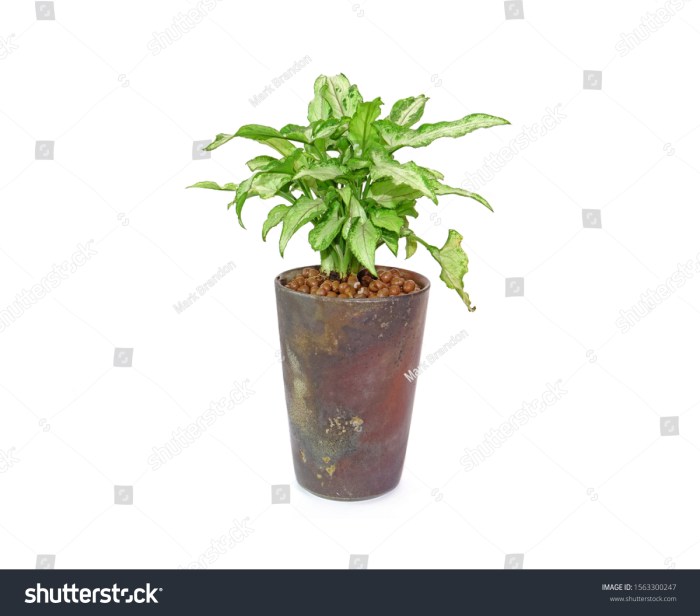
Narrow Japanese plant pots, prized for their aesthetic appeal, demand a meticulous approach to potting mix and soil. Proper selection and preparation are critical for plant health and longevity, ensuring the delicate balance between aesthetics and thriving greenery. The confined space of these pots necessitates a specific approach to drainage, aeration, and nutrient retention.Narrow pots, while visually striking, can pose challenges in maintaining optimal growing conditions.
The limited volume necessitates a well-draining, yet moisture-retentive, mix. Adequate aeration is equally crucial to prevent root rot, a common issue in containers, especially narrow ones. The right soil mix not only supports healthy root development but also caters to the specific needs of the chosen plant. Selecting a soil blend that aligns with the plant’s requirements is key to ensuring a long and vibrant life for the potted plant.
Ideal Potting Mix for Narrow Pots
A well-balanced potting mix for narrow Japanese plant pots should provide excellent drainage and aeration. A blend of high-quality potting soil, perlite, and vermiculite is ideal. Potting soil provides essential nutrients, perlite enhances drainage, and vermiculite improves water retention, creating a healthy environment for the plant’s roots. The ratio of these components should be carefully considered to optimize the mix for the specific plant.
Importance of Drainage and Aeration
Drainage is paramount in narrow pots. Poor drainage can lead to waterlogged conditions, suffocating the roots and potentially causing root rot. Aeration, equally critical, ensures that oxygen reaches the roots, which is essential for respiration and healthy growth. The mix should allow air to circulate freely around the roots. This crucial combination of drainage and aeration prevents issues that might be exacerbated in the constrained space of a narrow pot.
Specific Soil Requirements for Different Plant Types
Different plants have varying soil needs. Some prefer well-draining, sandy soils, while others thrive in more moisture-retentive mixes. Understanding these specific requirements is key to ensuring optimal growth and preventing potential problems. The table below offers guidelines for recommended soil mixes based on common plant types frequently used in narrow Japanese plant pots.
| Plant Type | Recommended Soil Mix |
|---|---|
| Succulents (e.g., Echeveria, Sedum) | Coarse sand, perlite, and a small amount of potting soil. |
| Azaleas and Camellias | Acidic potting mix, peat moss, and perlite, with a higher proportion of peat moss. |
| Ferns (e.g., Boston Fern) | A mix of potting soil, peat moss, and sphagnum moss. |
| Orchids | Bark chips, charcoal, and sphagnum moss. |
| General Houseplants (e.g., Pothos, ZZ Plant) | High-quality potting soil, perlite, and vermiculite in equal proportions. |
Narrow Pot Display Ideas
Narrow Japanese plant pots, with their elegant simplicity, offer a versatile platform for creative display. Their slender silhouettes and often understated aesthetics complement a wide range of styles, from minimalist modern to traditional Japanese gardens. Strategic placement and thoughtful combinations can elevate these pots from mere containers to captivating focal points.Careful consideration of the pot’s dimensions, the plant’s needs, and the surrounding environment is key to achieving visually appealing and functional displays.
The interplay of light, shadow, and texture created by these arrangements can transform a space, adding a touch of serenity and artistry.
Displaying Multiple Narrow Pots
Grouping narrow pots together in varying heights and widths creates dynamic visual interest. Consider using a combination of sizes and textures to add depth and dimension to a display. For example, arranging pots in a staggered vertical line against a wall or a grouping on a shelf or table allows light to filter through the foliage and enhance the plants’ natural beauty.
Vertical Arrangements
Vertical arrangements leverage the height and slender form of narrow pots. A series of pots hung from a wall or placed on a tall shelving unit can create an eye-catching vertical garden, maximizing space and showcasing the plants’ vertical growth. This approach is particularly effective in smaller spaces, such as apartments or balconies. The arrangement should maintain visual balance, ensuring that the pots’ heights and plant sizes are in proportion to each other.
Horizontal Arrangements
For horizontal arrangements, consider creating a series of miniature gardens along a windowsill, a shelf, or a table. The use of varying pot sizes, shapes, and textures within the horizontal plane creates visual complexity and depth. Grouping pots of similar styles or varying colors, alongside the plants’ textures and foliage, allows for more interesting displays. Carefully consider the space between the pots to allow for sufficient airflow and light penetration for the plants.
Japanese Garden Floor Plan
A Japanese garden, with its emphasis on natural elements, provides an ideal backdrop for narrow pots. The accompanying floor plan illustrates a layout incorporating multiple narrow pots strategically placed throughout the garden. The illustration shows a pathway winding through the space, surrounded by carefully cultivated rocks, gravel, and strategically placed narrow pots of varying sizes, housing a mix of grasses, succulents, and flowering plants.
A well-designed Japanese garden floor plan will reflect the principles of harmony and balance found in traditional Japanese aesthetics.
| Pot Arrangement | Plant Selection | Placement Notes |
|---|---|---|
| Staggered vertical line | Grasses, succulents, ferns | Against a wall, on a tall shelving unit |
| Horizontal groupings | Small flowering plants, air plants, herbs | Windowsills, shelves, or tables |
| Japanese Garden Layout | Grasses, flowering shrubs, bonsai | Pathway, rock gardens, and gravel areas |
Illustrative Examples
Narrow Japanese plant pots offer a compelling blend of aesthetic sophistication and functional practicality. Their slender profiles and carefully considered proportions create a unique visual experience, particularly when paired with the right plant. This section explores various examples, highlighting the diverse possibilities within this category.
Pot Dimensions and Materials
Narrow pots, by definition, prioritize length over width. Precise dimensions influence the overall aesthetic. A 12-inch-long, 4-inch-wide ceramic pot, for instance, lends itself to a modern, minimalist aesthetic. Alternatively, a 15-inch-long, 5-inch-wide, intricately glazed terracotta pot evokes a more traditional Japanese garden style. Materials like hand-thrown stoneware, polished concrete, or lacquered wood contribute distinct tactile and visual elements.
The interplay between material and dimension creates a dynamic range of possibilities.
Pot Colors and Aesthetic Impact
Pot color plays a significant role in setting the overall mood. A muted, greyish-green stoneware pot enhances the natural tones of a fern, while a deep indigo-blue ceramic pot provides a striking contrast against a bold-leaved plant. The subtle interplay of color and plant type creates a sophisticated visual experience. Consider a white, minimalist porcelain pot with delicate, hand-painted details for a subtle elegance.
Plant Selection and Placement
The appropriate plant selection for a narrow pot is crucial. Air plants, with their airy forms, thrive in the elongated space. A cascading fern, with its flowing fronds, adds a touch of elegance. Succulents, with their robust shapes, can also create a visually engaging display. The plant’s size and growth habits are critical.
A compact succulent will complement the pot’s narrow profile, while a taller, trailing plant will create a visually dynamic arrangement.
Visual Effects of Varying Plant Sizes and Shapes
The size and shape of the plant directly influence the visual impact within the pot. A miniature bonsai, with its carefully pruned branches, creates a sense of controlled artistry. Conversely, a broad-leaved philodendron, placed strategically, creates a sense of lushness and natural growth. The interplay between plant and pot defines the overall visual narrative. A single, large-leafed monstera placed in a narrow pot can become a focal point, while a cluster of smaller herbs creates a sense of abundance and vibrancy.
Consider the relationship between plant size and pot dimensions to achieve the desired effect.
Examples of Pot Styles and Plant Combinations
A 10-inch-long, 3-inch-wide, black glazed stoneware pot with a slightly flared top is ideal for a small, cascading pothos. The contrasting dark color enhances the plant’s vibrant green. Conversely, a 14-inch-long, 4-inch-wide, natural wood pot is well-suited for a collection of small succulents, emphasizing the natural texture of the pot. The contrast of textures and colors creates a balanced and visually engaging display.
Closing Notes
In conclusion, Japanese plant pot narrow represent a harmonious blend of artistry, practicality, and cultural significance. Their enduring appeal lies in their ability to seamlessly integrate into diverse design aesthetics, fostering a connection with nature through meticulously crafted forms. The discussion highlights the importance of understanding the historical and aesthetic principles behind these pots to fully appreciate their nuanced beauty and to achieve optimal placement and maintenance.
